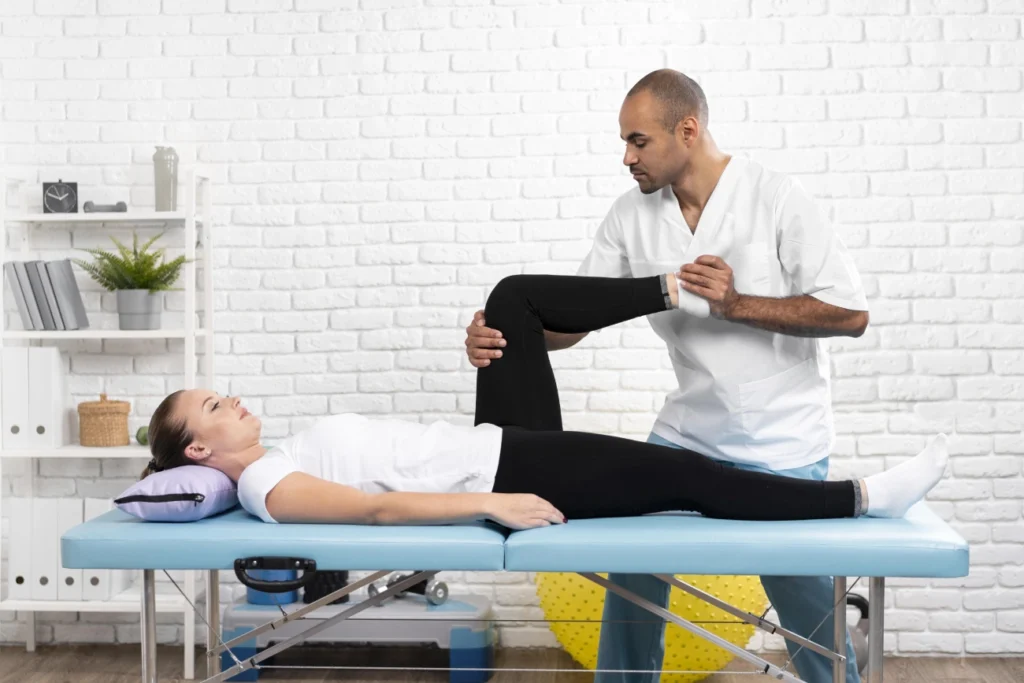
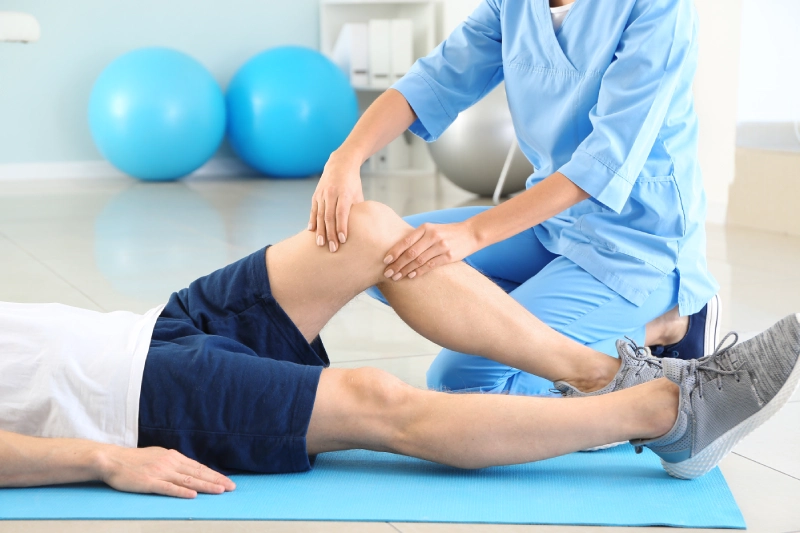
As a physical therapist, I understand the importance of tailoring rehabilitation therapy to each individual’s needs. Today, let’s explore the optimal frequency for post-surgery therapy and the benefits of ice therapy in the recovery process.
It’s been one month since your surgery, and you’re diligently undergoing finger bending rehabilitation therapy. But you might wonder, is it beneficial to engage in therapy every day?
In my experience, I’ve found that a balanced approach yields the best results. Rather than engaging in therapy daily, it’s generally more effective to schedule sessions three times a week or every two days. This approach allows for adequate rest and recovery between sessions, ensuring that the body has time to adapt and heal.
Rehabilitation therapy is a journey, and it’s essential to work closely with your healthcare team to determine the optimal frequency for your sessions. Your attending physician or therapist can provide personalized guidance based on your specific condition and recovery progress.
In addition to scheduled therapy sessions, you can also incorporate self-exercises and stretches into your daily routine. These activities empower you to take an active role in your recovery and promote ongoing progress between formal therapy sessions.

Now, let’s talk about the role of ice therapy in your rehabilitation journey. Ice therapy, also known as cryotherapy, can be a valuable tool in managing pain and inflammation in the early stages of recovery. Applying ice to the affected area can help reduce swelling, alleviate discomfort, and promote healing.
It’s important to initiate ice therapy early in the rehabilitation process, as soon as your healthcare team deems it appropriate. Typically, ice therapy is recommended in the immediate aftermath of surgery and during the early stages of rehabilitation. Be sure to follow your healthcare provider’s instructions regarding the frequency and duration of ice therapy sessions.
In conclusion, navigating rehabilitation after surgery requires a personalized approach that balances consistency with rest, creativity with structure, and empathy with guidance. By working closely with your healthcare team and incorporating ice therapy into your recovery plan, you can optimize your healing journey and regain mobility and function with confidence.