How Long Does Physical Therapy Take to Work? A Manhattan DPT’s Evidence-Based Timeline
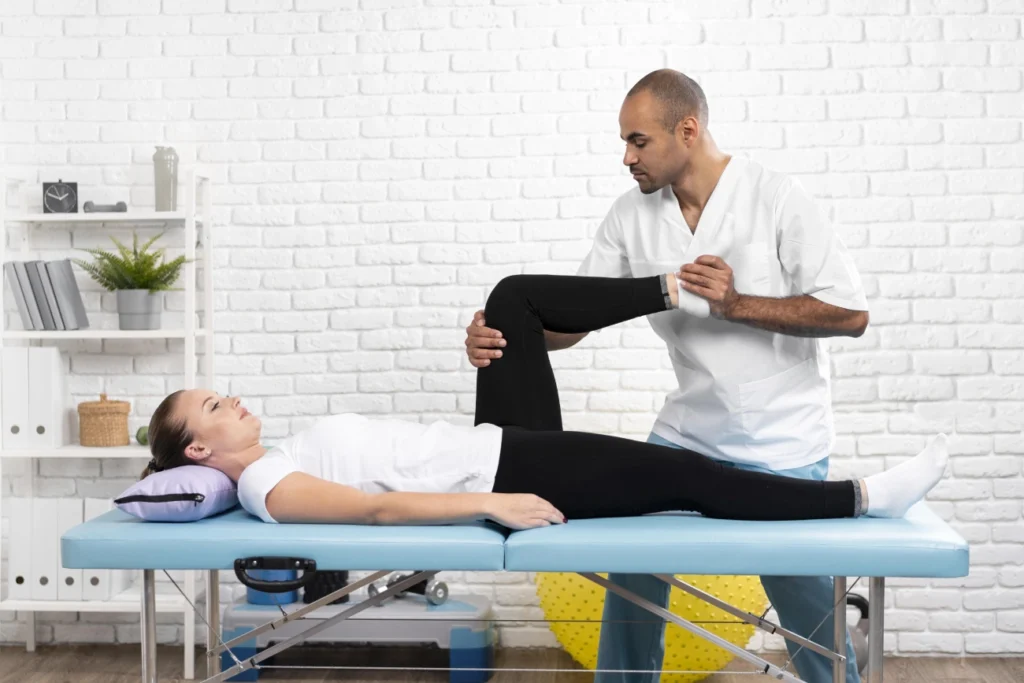
If you’re dealing with pain or mobility issues in Manhattan, you’re probably wondering: “How long will this take?” It’s one of the most common questions we hear at LIM Physical Therapy PC. The answer depends on several factors, but research shows specific timelines for different conditions.
The Science Behind Physical Therapy Recovery
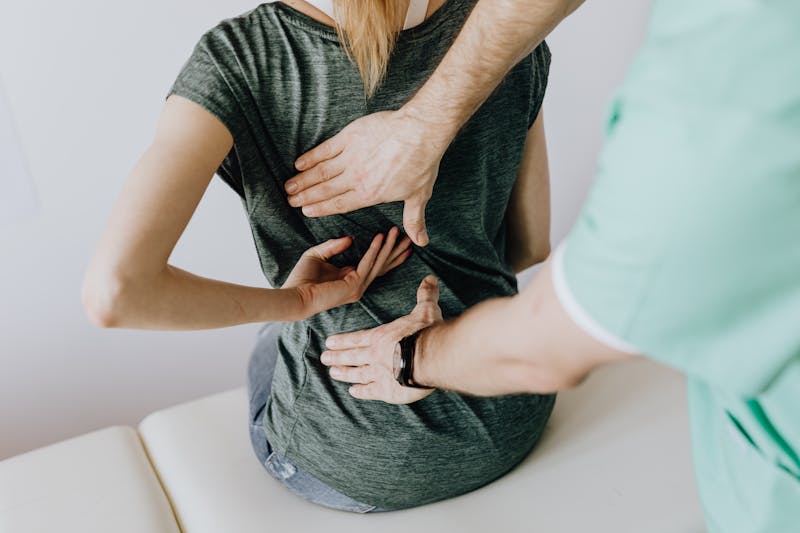
Physical therapy works by stimulating your body’s natural healing processes. Tissue repair follows predictable phases: inflammation (0-72 hours), proliferation (3 days-6 weeks), and remodeling (6 weeks-6 months). Understanding these phases helps set realistic expectations for your Manhattan PT journey.
Studies published in the Journal of Orthopaedic & Sports Physical Therapy show that 85% of patients experience measurable improvement within the first month of consistent treatment. At LIM Physical Therapy PC in Midtown Manhattan, New York, we track patient outcomes closely, and our data aligns with these research findings.
Condition-Specific Recovery Timelines
Lower Back Pain (Most Common Manhattan Office Worker Complaint)
Acute lower back pain typically responds within 2-4 weeks. Manhattan professionals who sit at desks near Times Square, Grand Central, or Penn Station areas often see significant improvement in this timeframe when they follow our targeted exercise protocols.
Chronic lower back pain requires 8-12 weeks for substantial improvement. Research from the American Physical Therapy Association shows that patients who complete a full course of treatment have 74% less chance of recurring episodes.
Neck Pain and Headaches
Tech workers in Midtown Manhattan frequently develop neck strain from forward head posture. Studies indicate:
– Acute neck pain: 3-6 weeks for resolution
– Chronic cervical dysfunction: 6-10 weeks
– Tension headaches secondary to neck problems: 4-8 weeks
LIM Physical Therapy PC treats over 300 Manhattan office workers annually for tech neck, with 92% achieving their functional goals within 8 weeks.
Shoulder Injuries
Shoulder impingement and rotator cuff injuries are common among weekend warriors who frequent Central Park or Hudson River jogging paths:
– Minor rotator cuff strains: 4-6 weeks
– Shoulder impingement: 6-8 weeks
– Post-surgical rehabilitation: 12-16 weeks
Knee Problems
Manhattan’s concrete sidewalks and subway stairs create unique challenges for knee health:
– Patellofemoral pain syndrome: 6-8 weeks
– IT band syndrome: 4-6 weeks
– Post-knee surgery rehabilitation: 12-20 weeks
Ankle Sprains
With NYC’s uneven sidewalks and winter ice conditions, ankle injuries are frequent:
– Grade 1 ankle sprain: 2-3 weeks
– Grade 2 ankle sprain: 4-6 weeks
– Grade 3 ankle sprain: 8-12 weeks
Q: Why do some people recover faster than others?
A: Recovery speed depends on age, fitness level, severity of injury, compliance with home exercises, overall health, and lifestyle factors. Manhattan professionals who maintain regular exercise routines typically recover 30% faster than sedentary individuals.
Factors That Accelerate Recovery
Consistency is King
Patients who attend sessions regularly and perform home exercises as prescribed recover 40% faster than those with inconsistent participation. At LIM Physical Therapy PC in Midtown Manhattan, New York, we see this pattern consistently across all age groups and conditions.
Early Intervention Matters
Research published in Physical Therapy journal demonstrates that patients who begin treatment within 48-72 hours of acute injury have significantly better outcomes. Waiting weeks to start treatment can extend recovery time by 60-80%.
Active Participation
Passive treatments (heat, ice, massage) provide temporary relief, but active exercises create lasting change. Studies show that patients who engage in prescribed movement patterns recover twice as fast as those relying solely on passive modalities.
Lifestyle Modifications
Manhattan’s demanding lifestyle can hinder recovery if not managed properly. Factors that accelerate healing include:
– Adequate sleep (7-9 hours nightly)
– Proper nutrition to support tissue repair
– Stress management (crucial for Manhattan professionals)
– Avoiding activities that aggravate symptoms
Q: Should I continue PT even when I feel better?
A: Yes. Stopping treatment when pain subsides but before full function returns increases re-injury risk by 65%. Complete your prescribed treatment plan to achieve lasting results and prevent recurrence.
Warning Signs That Recovery May Take Longer

Certain factors can extend your recovery timeline:
Multiple injuries or conditions: Treating several problems simultaneously extends the process by 20-40%.
Previous injuries to the same area: Scar tissue and compensatory patterns can slow progress.
Chronic conditions: Arthritis, diabetes, or autoimmune disorders affect healing rates.
Poor compliance: Missing appointments or skipping home exercises significantly extends recovery time.
Psychological factors: Fear of movement, depression, or high stress levels (common in Manhattan’s high-pressure environment) can impede progress.
What to Expect During Your First Month
Week 1-2: Assessment and Pain Management
Your first visits at LIM Physical Therapy PC focus on thorough evaluation and reducing acute symptoms. You may not feel dramatically better yet, but we’re establishing the foundation for recovery.
Week 3-4: Initial Improvements
Most patients notice decreased pain intensity and improved daily function. Manhattan commuters often report easier subway navigation and reduced morning stiffness.
Week 5-8: Functional Gains
Strength, flexibility, and coordination improve significantly. Weekend warriors typically resume modified exercise routines during this phase.
Week 9-12: Return to Full Function
Complete return to previous activity levels, including high-demand tasks like Manhattan’s fast-paced walking or carrying subway bags up stairs.
Q: How often should I attend PT sessions?
A: Most conditions require 2-3 sessions weekly initially, tapering to 1-2 times weekly as you improve. Research shows this frequency optimizes tissue adaptation while allowing adequate recovery between sessions.
The Cost of Delayed Treatment
Manhattan’s high cost of living makes treatment timing crucial. Delaying physical therapy can cost you:
– Lost work productivity: Average 12-15 sick days for untreated back pain vs. 3-5 days with early PT intervention
– Medication costs: Chronic pain medications average $200-400 monthly
– Surgical risk: 40% of delayed-treatment cases require eventual surgical intervention vs. 8% with early PT
– Long-term disability: Untreated musculoskeletal conditions are the leading cause of work-related disability in NYC
Compare this to physical therapy investment: average $150-200 per session, with most patients requiring 12-20 sessions. The math clearly favors early, comprehensive treatment.
Maximizing Your Manhattan PT Experience
Choose Convenient Location
LIM Physical Therapy PC’s Midtown Manhattan location ensures easy access from Grand Central, Penn Station, and Times Square offices, reducing barriers to consistent attendance.
Schedule Strategically
Book appointments during off-peak commuting hours when possible. Early morning or late afternoon slots often work best for Manhattan professionals.
Prepare for Sessions
Wear comfortable clothing and arrive 10 minutes early. Come prepared with questions about your home program and progress concerns.
Q: Can I speed up my recovery with more frequent sessions?
A: Not necessarily. Tissues need recovery time between sessions. More than 3-4 sessions weekly rarely improves outcomes and may increase cost without benefit. Quality and consistency matter more than frequency.
When to Expect Plateau and What to Do
Recovery isn’t always linear. Expect temporary plateaus, especially around weeks 4-6. This is normal and doesn’t indicate treatment failure. These plateaus often precede breakthrough periods of rapid improvement.
If progress stalls beyond expected timelines, your LIM Physical Therapy PC team may recommend:
– Modified treatment approach
– Additional diagnostic testing
– Referral to specialists if needed
– Adjustment of goals and expectations
Q: What if I’m not seeing results after 6 weeks?
A: Communicate concerns with your therapist immediately. Treatment may need modification, or underlying issues may require additional evaluation. Don’t wait—early course correction prevents prolonged recovery.
Research-Based Recovery Accelerators
Recent studies identify specific interventions that can shorten recovery time:
Manual therapy combined with exercise: Reduces treatment time by 25-30% compared to exercise alone.
Patient education: Understanding your condition and recovery process improves compliance and outcomes.
Goal-setting: Specific, measurable goals accelerate progress. LIM Physical Therapy PC uses functional goal-setting to keep Manhattan patients motivated.
Movement pattern training: Correcting faulty movement patterns prevents re-injury and speeds recovery.
The Manhattan Advantage: Specialized Care for Urban Challenges
LIM Physical Therapy PC understands Manhattan’s unique physical demands. Our treatment protocols address:
– Prolonged sitting in cramped subway cars
– Walking on concrete in dress shoes
– Carrying heavy bags up subway stairs
– High-stress work environments affecting muscle tension
– Limited space for home exercise programs
This specialized understanding helps our Midtown Manhattan, New York patients achieve faster, more sustainable results.
Recovery timelines are estimates, not guarantees. Your individual healing process depends on multiple factors, but evidence-based physical therapy consistently delivers measurable improvements within predictable timeframes. The key is starting treatment early, staying consistent, and working with experienced professionals who understand your specific challenges as a Manhattan resident or worker.
Ready to Start Your Recovery?
Call LIM Physical Therapy PC in Midtown Manhattan today
📞 646-777-2078