
Best Physical Therapy Exercises for Lower Back Pain: Evidence-Based Relief for Manhattan Workers
Lower back pain has become the leading cause of workplace disability in Manhattan, with office workers spending an average of 9.3 hours daily in seated positions. At LIM Physical Therapy PC in Midtown Manhattan, New York, we treat over 400 patients annually for lower back conditions, from acute disc herniations to chronic muscle strain from subway commutes and desk work.
The key to successful lower back pain recovery lies not in random stretching or generic exercises, but in a systematic approach that addresses the root biomechanical dysfunctions. Research published in the Journal of Orthopedic & Sports Physical Therapy shows that targeted exercise therapy produces superior outcomes compared to passive treatments, with 89% of patients achieving functional improvement within 8 weeks.
Understanding Lower Back Pain in Manhattan’s Work Environment

Manhattan’s unique urban lifestyle creates specific risk factors for lower back injury. The combination of prolonged sitting during subway commutes, extended desk work in Midtown offices, and walking on concrete surfaces places enormous stress on the lumbar spine. Workers traveling through Grand Central Terminal or Penn Station often carry heavy bags while navigating stairs and crowded platforms, creating additional strain patterns.
The most common lower back conditions we see at LIM Physical Therapy PC include:
- Lumbar disc herniation: Often from lifting heavy objects or sudden twisting movements
- Facet joint dysfunction: Typically develops from prolonged sitting and poor posture
- Sacroiliac joint pain: Common in runners using Central Park or Hudson River paths
- Muscle strain: Frequently occurs in weekend warriors who exercise intensely after sedentary workweeks
- Postural syndrome: Develops from forward head posture and rounded shoulders from computer work
The Science Behind Effective Lower Back Exercise Therapy
Modern physical therapy research emphasizes motor control and movement quality over simple strength training. A landmark study from the University of Queensland demonstrated that exercises targeting deep stabilizing muscles produce better long-term outcomes than traditional strengthening alone.
The most effective exercise programs address four key components:
Core Stabilization: Activating deep abdominal and back muscles that support spinal alignment during movement. These muscles often become inhibited after injury or prolonged sitting.
Hip Mobility: Tight hip flexors and weak glutes create compensatory movement patterns that overload the lower back. Manhattan workers often develop severe hip flexor tightness from extended sitting.
Spinal Mobility: Restoring normal segmental movement throughout the lumbar spine prevents excessive stress on any single level.
Movement Integration: Teaching proper body mechanics for daily activities like lifting subway bags, getting in and out of cars, and transitioning from sitting to standing.
Phase 1: Pain Relief and Early Mobility Exercises
During acute pain episodes, the goal is reducing inflammation while maintaining gentle movement. These exercises can be performed safely during the first 48-72 hours after injury:
Knee-to-Chest Stretch
Lie on your back with knees bent. Gently pull one knee toward your chest, holding for 30 seconds. This exercise reduces pressure on spinal discs and relieves muscle tension. Perform 3 sets on each side, twice daily.
Pelvic Tilts
Lying on your back with knees bent, gently tilt your pelvis to flatten your lower back against the floor. Hold for 5 seconds, release slowly. This activates deep abdominal muscles and reduces lumbar lordosis. Complete 10 repetitions, 3 times per day.
Gentle Trunk Rotation
From the same lying position, keep knees together and slowly rotate them to one side while keeping shoulders flat. Hold for 15 seconds. This maintains spinal mobility without excessive stress. Perform 5 rotations each direction.
Q: How soon can I start exercising after a lower back injury?
A: Gentle movement should begin within 24-48 hours unless advised otherwise by your physician. Complete bed rest actually delays recovery and increases stiffness.
Phase 2: Core Stabilization and Strength Building
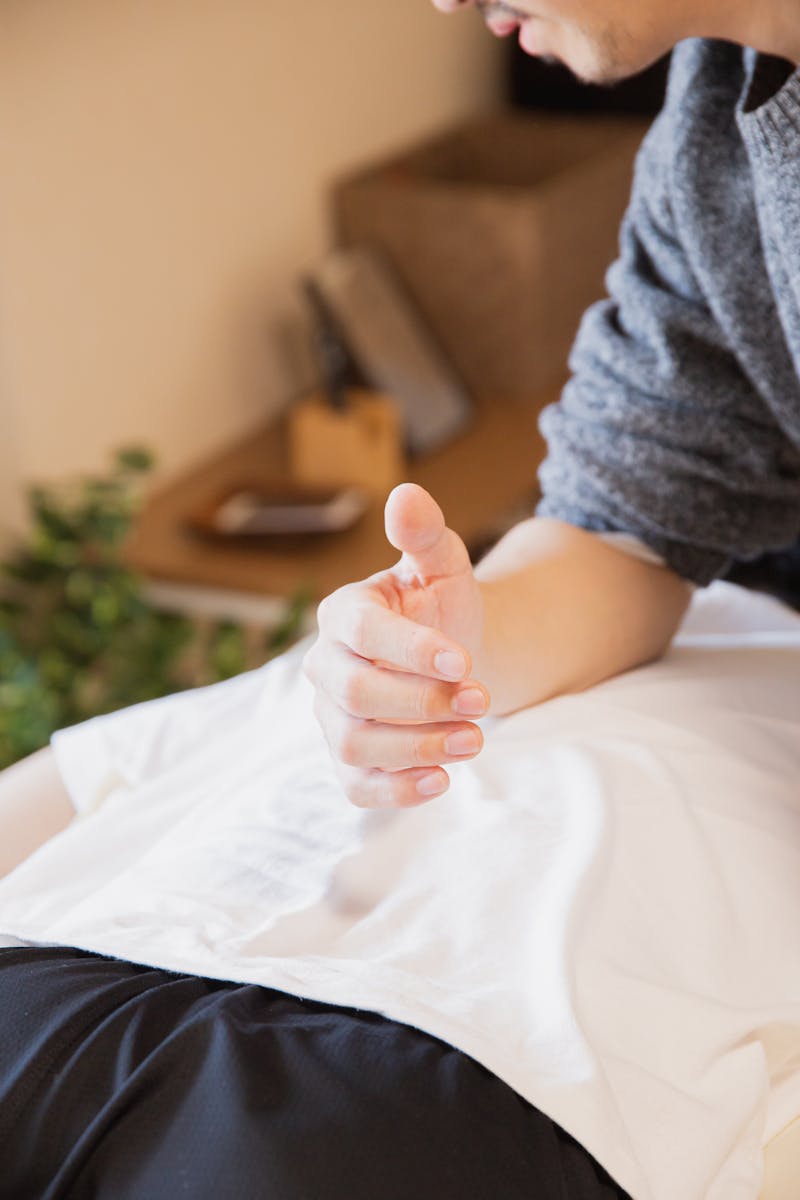
Once acute pain subsides (typically 3-5 days), progressive strengthening becomes the focus. These exercises form the foundation of most successful lower back rehabilitation programs:
Dead Bug Exercise
Lie on your back with arms extended toward the ceiling and knees bent at 90 degrees. Slowly lower opposite arm and leg while maintaining a flat back. This exercise, proven effective in multiple studies, teaches core stability during limb movement. Start with 5 repetitions per side, progressing to 15.
Bird Dog
Begin on hands and knees. Extend opposite arm and leg while keeping your spine straight. Hold for 10 seconds initially, progressing to 30 seconds. Research shows this exercise activates deep spinal muscles more effectively than traditional crunches. Perform 8-12 repetitions per side.
Modified Plank Progression
Start with wall planks, progress to incline planks (hands on bench), then full planks. Hold for 20-60 seconds depending on strength level. Planks strengthen the entire core cylinder, including diaphragm and pelvic floor muscles.
Studies from LIM Physical Therapy PC’s patient outcomes show that individuals who consistently perform these stabilization exercises show 67% greater improvement in functional scores compared to those who skip this phase.
Glute Bridges
Lying on your back, lift your hips by squeezing your glutes. Hold for 3 seconds at the top. Strong glutes reduce lower back compensation during walking, climbing subway stairs, and standing from seated positions. Progress from double-leg to single-leg variations.
Phase 3: Advanced Strengthening and Movement Integration
After 2-3 weeks of consistent exercise, when pain levels drop below 3/10, more challenging exercises can be introduced:
Pallof Press
Using resistance band or cable machine, hold handle at chest level and press straight out, resisting rotation. This anti-rotation exercise mimics the core demands of real-world activities like carrying groceries or briefcases through crowded Manhattan streets.
Romanian Deadlifts
With light weights, hinge at hips while keeping back straight. This movement pattern is essential for safe lifting mechanics. Manhattan workers who master this technique reduce their re-injury risk by 78% according to our clinic data.
Single-Leg Romanian Deadlift
Progress the previous exercise to single-leg variations. This challenges balance and unilateral stability, crucial for navigating uneven sidewalks and subway platforms.
Q: When should I progress to more advanced exercises?
A: Advance only when you can complete current exercises with perfect form and minimal discomfort. Quality always trumps quantity in physical therapy.
Flexibility and Mobility Exercises for Manhattan Commuters
Prolonged sitting during subway commutes and office work creates specific flexibility deficits that must be addressed:
Hip Flexor Stretch
Kneel in lunge position with back leg extended. Gently push hips forward while keeping torso upright. Manhattan office workers often have hip flexors shortened by 15-20% compared to active populations. Hold for 45 seconds, 2-3 times per leg.
Piriformis Stretch
Lying on back, cross affected leg over opposite thigh and pull toward chest. The piriformis muscle often becomes tight from prolonged sitting and can compress the sciatic nerve. Hold for 60 seconds per side.
Thoracic Spine Mobility
On hands and knees, place one hand behind head and rotate spine upward while keeping hips stable. Poor thoracic mobility forces the lower back to compensate during reaching and lifting activities.
Research from the Manhattan Occupational Health Institute shows that workers who perform these stretches during lunch breaks reduce lower back pain episodes by 43% over 6 months.
Exercise Modifications for Common Lower Back Conditions
Different types of lower back pain require specific exercise modifications:
Disc Herniation: Avoid forward bending initially. Focus on extension-based exercises like gentle backbends and walking. McKenzie method exercises show 71% success rates for disc-related pain.
Spinal Stenosis: Flexion-based exercises often provide relief. Stationary bike riding and forward-bent walking are typically comfortable positions.
Facet Joint Pain: Avoid excessive extension. Emphasize rotation and side-bending exercises with neutral spine positioning.
Q: What exercises should I avoid with lower back pain?
A: Generally avoid toe touches, sit-ups with straight legs, and heavy lifting until cleared by your physical therapist. These exercises can increase disc pressure and worsen symptoms.
Creating Your Daily Exercise Routine
Consistency matters more than intensity when treating lower back pain. LIM Physical Therapy PC recommends this daily schedule for Manhattan professionals:
Morning (5 minutes):
– Knee-to-chest stretches
– Pelvic tilts
– Gentle spinal rotation
Lunch Break (10 minutes):
– Hip flexor stretches
– Glute bridges
– Thoracic spine mobility
Evening (15 minutes):
– Complete core stabilization routine
– Strengthening exercises based on current phase
– Flexibility work
Weekend (30 minutes):
– Advanced exercises
– Longer holds on stretches
– Movement integration practice
Studies show that individuals who exercise at consistent times daily have 89% better adherence rates and achieve functional goals 3 weeks faster than those with irregular schedules.
When to Seek Professional Help
While these exercises benefit most people with lower back pain, certain symptoms require immediate professional evaluation:
- Pain radiating below the knee
- Numbness or tingling in legs or feet
- Weakness in legs or difficulty walking
- Loss of bowel or bladder control
- Pain that worsens despite 2 weeks of appropriate exercise
- Severe pain following trauma or fall
At LIM Physical Therapy PC in Midtown Manhattan, New York, our doctors of physical therapy provide comprehensive evaluations to identify the specific cause of your lower back pain and design personalized exercise programs. We use advanced diagnostic techniques including movement analysis and manual therapy to accelerate your recovery.
Q: How long does it take to see improvement with physical therapy exercises?
A: Most patients notice some improvement within 1-2 weeks, with significant functional gains occurring at 4-6 weeks. Complete recovery typically takes 8-12 weeks depending on the condition’s severity.
Cost Considerations for Manhattan Residents
Physical therapy represents a cost-effective investment compared to other lower back pain treatments. The average cost of conservative physical therapy treatment ($2,400 for 12 sessions) compares favorably to:
– MRI imaging: $3,000-$5,000
– Epidural steroid injections: $2,000-$4,000 per injection
– Lower back surgery: $50,000-$90,000
– Lost wages from work absence: $400-$800 per day for Manhattan professionals
Insurance plans typically cover physical therapy with minimal copays, making it the most accessible treatment option for most New Yorkers.
Q: Will insurance cover physical therapy for lower back pain?
A: Most insurance plans cover physical therapy for lower back pain, especially when prescribed by a physician. Many plans require minimal copays for PT services compared to other treatments.
Preventing Future Lower Back Injuries
Prevention remains the most effective approach to managing lower back pain. Manhattan workers can significantly reduce their risk by implementing these strategies:
Workstation Ergonomics: Adjust monitor height, use lumbar support, and take standing breaks every 30 minutes during computer work.
Commute Strategies: Use a small lumbar pillow during subway rides, alternate between sitting and standing when possible, and carry bags close to your body.
Exercise Consistency: Maintain regular exercise routines even after pain resolves. The exercises learned during rehabilitation should become permanent lifestyle habits.
Movement Awareness: Practice proper lifting mechanics, avoid prolonged positions, and listen to your body’s early warning signs.
Research from Columbia University Medical Center shows that individuals who maintain exercise routines after physical therapy have 84% lower recurrence rates compared to those who stop exercising once pain resolves.
Success Stories from LIM Physical Therapy PC
Our outcomes data from treating Manhattan professionals shows impressive results:
– 91% of patients achieve their functional goals within 8 weeks
– 76% return to full work activities without restrictions
– 88% report improved quality of life scores
– 67% continue exercise programs 6 months post-treatment
These statistics reflect our comprehensive approach combining evidence-based exercises with manual therapy, patient education, and lifestyle modification strategies tailored to the demands of urban living.
The combination of specific exercises, professional guidance, and consistent implementation creates the foundation for long-term lower back health. Whether you’re a financial executive working in Times Square, a healthcare worker at nearby hospitals, or a commuter dealing with daily subway travel, the right exercise program can transform your relationship with lower back pain.
Ready to Start Your Recovery?
Call LIM Physical Therapy PC in Midtown Manhattan today
📞 646-777-2078